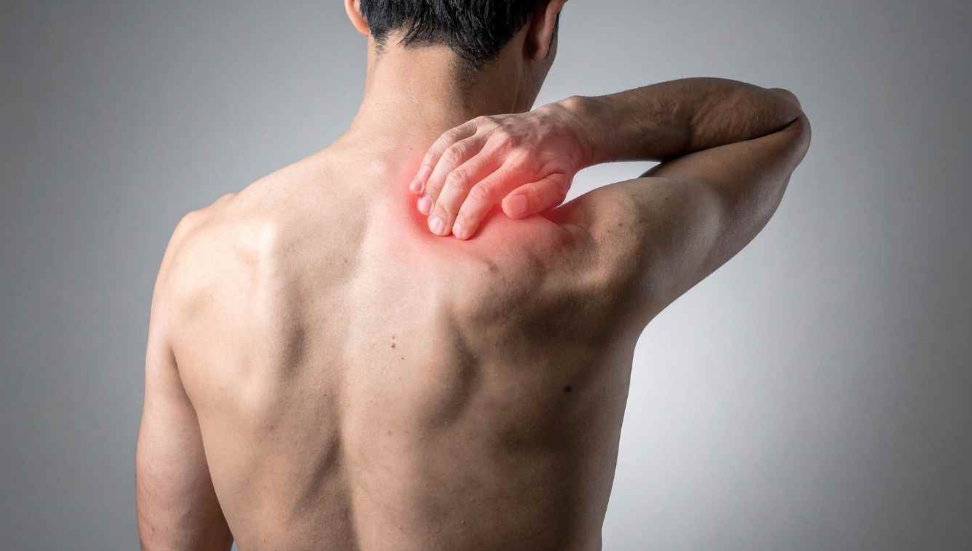
Wondering why you get shoulder pain after laparoscopic surgery? Learn about the causes, how common it is, and what can be done to prevent and manage this uncomfortable but temporary condition.
Why do you get shoulder pain after your laparoscopic surgery?
Shoulder pain after laparoscopic surgery, medically known as Post-Laparoscopic Shoulder Pain (PLSP), is a common and often unexpected side effect. Many patients are surprised to experience shoulder discomfort after abdominal surgery, but this phenomenon has a clear medical explanation and is usually temporary.
At our clinic, we ensure patients understand what to expect during recovery. This article explains the causes of PLSP, how long it lasts, and what can be done to manage it.
What is Laparoscopic Surgery?
Laparoscopic surgery, often called keyhole or minimally invasive surgery, is a technique used to examine and treat conditions in the abdomen or pelvis through small (0.5–1.5 cm) incisions. Using a camera (laparoscope) and specialized instruments, surgeons perform procedures with less pain, reduced bleeding, and faster recovery than traditional open surgery.
Key Aspects of Laparoscopic Surgery:
- Procedure Method: A small camera (laparoscope) is inserted through a small incision, usually in the belly button, allowing the surgeon to view the interior on a monitor.
- Equipment: Specialized instruments are inserted through additional small incisions (ports) to perform tasks like cutting, stitching, or removing tissues.
- Pneumoperitoneum: The abdomen is inflated with carbon dioxide gas to create working space for the instruments.
- Common Procedures: Used for gallbladder removal (cholecystectomy), appendectomy, hernia repair, gynecological surgeries (treating endometriosis, fibroids), and abdominal organ biopsies.
How Common Is Post-Laparoscopic Shoulder Pain?
The literature indicates that PLSP is quite common following various procedures:
| Procedure Type | Incidence of Shoulder Pain |
| Laparoscopic Gastrectomy | 66% |
| Laparoscopic Appendectomy | 57.1% – 65.5% |
| Gynecological Laparoscopy | Up to 80% |
Despite its prevalence, PLSP often does not receive adequate attention, making patient education particularly important.
What Causes Laparoscopic Shoulder Pain?
The exact cause of PLSP is not fully understood, but most theories point to irritation of the phrenic nerve.
- The phrenic nerve originates from the anterior branches of C3-C5 (primarily C4) and innervates the diaphragm
- The supraclavicular nerve, a cutaneous branch of the cervical plexus, also arises from C3-C4 and innervates the skin over the neck, upper chest, and shoulder
- Since both nerves share C3-C4 nerve roots, phrenic nerve stimulation can cause referred pain in the shoulder
Causes of Shoulder Pain Breakdown
| Cause | Mechanism |
| CO2 Pneumoperitoneum | Carbon dioxide gas used to inflate the abdomen during laparoscopy creates an acidic environment and stretches the diaphragm |
| Phrenic Nerve Irritation | Diaphragm stretching and an acidic environment irritate the phrenic nerve, causing referred shoulder pain |
| Inflammatory Response | Pneumoperitoneum can cause microvascular rupture and bleeding, releasing inflammatory mediators that induce pain sensitization |
| Patient Positioning | Improper positioning during surgery or excessive shoulder abduction can worsen PLSP |
| Early Postoperative Activity | Moving too soon after surgery can exacerbate pain |
How Long Does Shoulder Pain Last?
PLSP occurs within a few hours after laparoscopic surgery. The pain is typically mild to moderate in intensity, presenting as a dull ache. For most patients, the pain lasts 2-3 days. In some patients, pain can persist for up to 5 weeks postoperatively. Here are the factors that impact the shoulder pain:
| Factor | Impact |
| Surgery Duration | Longer surgeries may increase risk |
| Gas Pressure Used | Higher pressure increases risk |
| Surgeon’s Technique | Meticulous technique may reduce irritation |
| Individual Pain Tolerance | Varies by patient |
| Post-Op Positioning | Proper positioning helps |
What you Can Do
| DO | DON’T |
| Rest and allow your body to heal | Panic |
| Take prescribed pain medication as directed | Ignore severe or worsening pain |
| Use gentle movement as tolerated | Overexert yourself too soon |
| Report persistent pain to your surgeon | Assume all pain is normal if it’s severe or worsening |
| Understand that this is referred pain, not a shoulder injury | Worry that something is wrong with your shoulder |
Cost of laparoscopic surgery in Islamabad:
Here is the cost of laparoscopic surgery at Royal Cosmetic Surgery:
| Procedure | Cost |
| Laparoscopic Surgery |
Why Choose Royal Cosmetic Surgery?
- Experienced Surgeons: Skilled in techniques that minimize post-operative pain
- Patient Education: We explain what to expect, including PLSP
- Pain Management: Multimodal approaches to minimize discomfort
- Advanced Techniques: Use of low-pressure pneumoperitoneum when appropriate
- Comprehensive Care: From pre-op through full recovery
- Evidence-Based Practice: Staying current with latest research on PLSP management
- Responsive Support: Addressing patient concerns promptly
See also: Wearable Fitness Technology Trends
Frequently Asked Questions (FAQs)
1. Is shoulder pain after laparoscopic surgery normal?
Yes, it’s very common. Up to 80% of patients experience it after some procedures.
2. How long will the shoulder pain last?
Typically 2-3 days, though it can persist up to 5 weeks in some cases.
3. Does this mean something went wrong with my surgery?
No. PLSP is a normal referred pain from diaphragm irritation, not a complication of the surgery itself.
4. What can I do to relieve the pain?
Rest, pain medication as prescribed, and gentle movement can help. Report persistent pain to your surgeon.
5. Can shoulder pain be prevented?
Surgeons use various techniques to minimize PLSP, including low-pressure gas, gas removal at surgery end, and proper positioning.